

Insights
Explore our expert analysis and thought leadership on legal developments that shape how you do business.


-
 Article 28.07.2026
Sexual Harassment in the Workplace: The Legal and Institutional Cost of Silence
Workplace sexual harassment violates employees’ personal rights and freedom to work, while exposing employers to legal, criminal, and reputational risks. An effective response requires clear policies, accessible reporting channels, impartial internal investigations, preservation of evidence, prevention of retaliation, and appropriate training for managers. In global companies, these processes should be adapted to Turkish law, local culture, and workplace conditions. This approach helps protect the complainant, enables the employer to fulfil its legal responsibilities, and safeguards corporate reputation.
Read more > -
 Article 27.07.2026
İş Yerinde Cinsel Taciz: Sessizliğin Hukuki ve Kurumsal Bedeli
İş yerinde cinsel taciz, çalışanların kişilik haklarını ve çalışma özgürlüğünü ihlal ederken işveren açısından hukuki, cezai ve itibari riskler doğurur. Etkili mücadele; açık politikalar, erişilebilir şikâyet kanalları, tarafsız iç soruşturma, delillerin korunması, misillemenin önlenmesi ve yöneticilerin eğitilmesini gerektirir. Global şirketlerde süreçler Türk hukukuna, yerel kültüre ve saha koşullarına uyarlanmalıdır. Böylece mağdurun güvenliği sağlanır, işveren sorumluluğunu yerine getirir ve kurumsal itibar korunur.
Read more > -
 Article 06.07.2026
İş Yerinde Giyilebilir Cihaz Teknolojisine İlişkin Yargıtay'dan İlk Karar
Kişisel Verilerin Korunması Kanunu Işığında İşverenin Gözetim Uygulamaları başlıklı serinin dördüncü makalesinde, iş yerinde giyilebilir takip cihazlarına ilişkin takip edilebildiği kadarıyla ilk Yargıtay kararı ele alınmaktadır. Kararda; cihazın çalışma yöntemi, işlediği veriler, aktif olduğu alanlar, çalışan sağlığına etkileri ve rıza koşullarının bilirkişilerce araştırılması gerektiği vurgulanmıştır. Karşı oy yazısında ise uygulamanın insan haklarına ve Kişisel Verilerin Korunması Kanunu'nda sayılan orantılılık ilkesine aykırılığının tanık ifadeleri ile kanıtlandığı savunulmuştur.
Read more > -
 Article 03.07.2026
Wearable Technology in the Workplace: The Boundaries by the Turkish Personal Data Protection Law
In the third article of our series on Employers’ Monitoring Activities in Light of the Law on the Protection of Personal Data, we examine wearable device technology in the workplace. While this technology offers opportunities in terms of productivity and occupational health and safety, it also entails risks for the right to privacy and the protection of personal data, as it requires the real-time and continuous monitoring of employees. Before using this technology, employers should concretely assess the purpose of the practice, its proportionality, and whether less intrusive alternatives are available. The current views of the Personal Data Protection Authority on widespread surveillance practices in the workplace also provide guidance on this issue.
Read more > -
 Article 02.07.2026
İş Yerinde Giyilebilir Cihaz Teknolojisi: KVKK'nın Çizdiği Sınırlar
Kişisel Verilerin Korunması Kanunu Işığında İşverenin Gözetim Uygulamaları serisinin üçüncü makalesinde, iş yerinde giyilebilir cihaz teknolojisi ele alınmaktadır. Bu teknoloji, işte verimlilik ve iş sağlığı ve güvenliği açısından fırsatlar sunsa da çalışanların anlık ve sürekli izlenmesini gerektirdiğinden özel hayatın gizliliği ve kişisel verilerin korunması hakkı açısından riskler barındırmaktadır. İşverenler; bu teknolojiyi kullanmadan önce uygulamanın amacını, ölçülülüğünü ve daha az müdahaleci alternatiflerin bulunup bulunmadığını somut olarak değerlendirmelidir. Kişisel Verileri Koruma Kurumunun iş yerinde yaygın gözetim faaliyetleri hakkındaki güncel görüşleri de konuyu aydınlatır niteliktedir.
Read more > -
 Article 26.06.2026
ACFE 2026 Report: The Importance of Whistleblower Mechanisms in Combating Fraud
ACFE’s Occupational Fraud 2026: A Report to the Nations emphasizes that internal fraud is a serious and measurable risk for companies of every size. In the cases examined in the report, tips stand out as the most effective detection method. For this reason, companies need to establish ethics reporting mechanisms that are accessible, reliable, protective of confidentiality, and supported by safeguards against retaliation. For Turkish companies and companies operating in Türkiye, regular testing of compliance programs, multi-channel reporting systems, and a strong corporate culture are critically important.
Read more > -
 Article 25.06.2026
Constitutional Court Curbs the Personal Data Protection Board’s Authority: Law Takes Precedence Over Guidelines
The Constitutional Court held that the principle of legality was violated in the administrative fine imposed on an insurance company by the Personal Data Protection Board. The Court clarified that the Board cannot rely on its interpretation of the “purpose of making data public” as a basis for sanctions without a clear legal ground. The decision indicates that companies processing data from publicly available sources should reassess their processes, inventories and ongoing investigation files under Article 5 of the Personal Data Protection Law.
Read more > -
 Article 18.06.2026
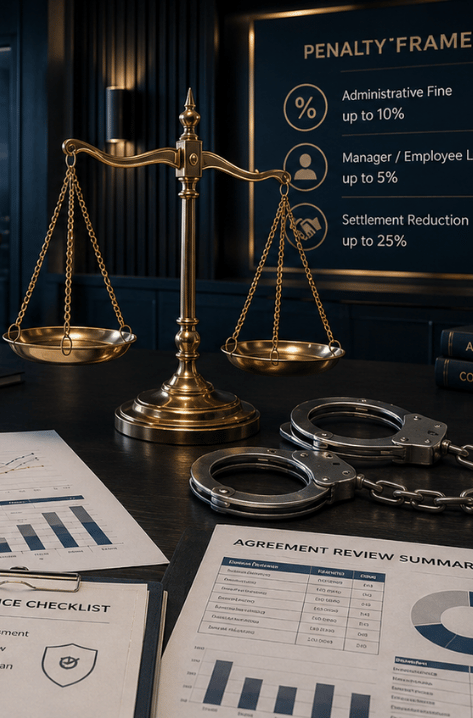
Beyond Administrative Fines: Criminal Exposure in Turkish Competition Enforcement
Turkish competition enforcement is entering a new phase, where antitrust violations may trigger not only administrative fines but also criminal investigations, executive detention risks, and court-appointed supervisory oversight. Foreign investors and multinational companies operating in Türkiye should reassess pricing, competitor communications, leniency strategies, data governance, and internal investigation protocols to manage both corporate liability and personal exposure for leadership effectively.
Read more > -
 Article 17.06.2026
AYM'den KVKK'ya Sınır: Rehber Değil, Kanun Esas
Anayasa Mahkemesi, bir sigorta şirketine Kişisel Verileri Koruma Kurulu tarafından uygulanan idari para cezasında kanunilik ilkesinin ihlal edildiğine karar vererek, Kurul’un “alenileştirme amacı” yorumunu kanuni dayanak olmaksızın yaptırım gerekçesi yapamayacağını ortaya koymuştur. Karar, kamuya açık kaynaklardan veri işleyen şirketler için süreçlerin, envanterlerin ve devam eden inceleme dosyalarının Kişisel Verilerin Korunması Kanunu madde 5 kapsamında yeniden değerlendirilmesi gerektiğini göstermektedir.
Read more > -
 Article 15.06.2026
AB’den Şirketlere Yolsuzlukla Mücadelede Yeni Dönem: Ciro Bazlı Cezalar ve Uyum Baskısı Artıyor
AB’nin 2026/1021 sayılı Yolsuzlukla Mücadele Direktifi, üye devletlerde ceza hukuku standartlarını güçlendirerek rüşvet, zimmet, nüfuz ticareti ve yolsuzluk kaynaklı zenginleşmeye daha ağır yaptırımlar getirmektedir. Şirketler için dünya çapındaki ciroya dayalı yüksek para cezaları, tüzel kişi sorumluluğu ve uyum programlarının önemi artmaktadır. AB bağlantılı Türkiye şirketlerinin politikalarını, üçüncü taraf denetimlerini ve ihbar mekanizmalarını gözden geçirmesi gerekmektedir.
Read more > -
 Article 08.06.2026
Sağlık Hizmetlerinde Mevzuata Uyum: Yönetmelik ve Tebliğ Kapsamında Öne Çıkanlar
Ayakta teşhis ve tedavi kuruluşları ile yataklı sağlık tesislerindeki yoğun bakım hizmetleri farklı mevzuat hükümlerine tabidir. Ayakta Teşhis ve Tedavi Yapılan Özel Sağlık Kuruluşları Hakkında Yönetmelik; tıp merkezleri, bağımsız poliklinikler, müesseseler ve muayenehaneler için ruhsat, personel, mesul müdürlük, hizmet alımı ve denetim esaslarını düzenler. Yataklı Sağlık Tesislerinde Yoğun Bakım Hizmetlerinin Uygulama Usul ve Esasları Hakkında Tebliğ ise yoğun bakım servislerinin fiziki, teknik, personel, tescil, seviyelendirme ve denetim standartlarını belirler. Özellikle mevcut yoğun bakım servisleri için 30/06/2026 tarihine kadar öngörülen uyum süreci, sağlık tesisleri açısından dikkatle takip edilmesi gereken önemli bir başlıktır.
Read more > -
 Article 05.06.2026
ACFE 2026 Raporu Ne Söylüyor? Suistimalle Mücadelede Bildirim Mekanizmalarının Önemi
ACFE Mesleki Suistimal 2026: Küresel Rapor’u (Occupational Fraud 2026: A Report to the Nations) şirket içi suistimalin her ölçekte şirket için ciddi ve ölçülebilir bir risk olduğunu vurgulamaktadır. Raporda incelenen vakalarda ihbarlar en etkili tespit yöntemi olarak öne çıkmaktadır. Bu nedenle şirketlerin erişilebilir, güvenilir, gizliliği koruyan ve misillemeye karşı güvence sağlayan etik bildirim mekanizmaları kurması gerekmektedir. Türk şirketleri ve Türkiye’de faaliyet gösteren şirketler için uyum programlarının düzenli test edilmesi, çok kanallı bildirim sistemleri ve güçlü kurum kültürü kritik önem taşımaktadır.
Read more > -
 Article 01.06.2026
How to Buy and Sell Art in Türkiye: Practical Insights
Buying and selling art in Türkiye requires more than agreeing on price and delivery. Parties should verify ownership, copyright status, provenance, authenticity, potential theft claims, cultural asset risks and third-party rights. Art market actors may also be subject to MASAK anti-money laundering obligations, while secondary market transactions may trigger the author’s resale right.
Read more > -
 Article 15.05.2026
Takviye Edici Gıda Sektörü: Satıcı, Yetkili Temsilci, İktisadi İşletmeci ve İthalatçıların Sorumlulukları
7223 sayılı Ürün Güvenliği ve Teknik Düzenlemeler Kanunu ve ilgili ikincil mevzuat, takviye edici gıda sektöründeki ithalatçı, dağıtıcı ve yetkili temsilciler gibi tüm iktisadi işletmecilere piyasaya arzdan nihai tüketiciye kadar kesintisiz bir sorumluluk yüklemektedir. Bu çerçevede; ürünlerin kayıt altına alınmasından uygunluk belgelerinin teyidine, nakliye koşullarından ürün geri çağırma süreçlerine kadar uzanan yükümlülükler, hem tüketici sağlığının korunması hem de hukuki güvenliğin sağlanması adına kritik bir önem taşır. Güncel düzenlemeler, tedarik zincirindeki aktörler için proaktif denetim mekanizmalarını ve kurumsallaşmış uyum politikalarını sürdürülebilir ticaretin vazgeçilmez bir unsuru haline getirmektedir
Read more > -
 Article 06.05.2026
Takviye Edici Gıda Sektörü: İmalatçı Sorumlulukları
7223 sayılı Ürün Güvenliği ve Teknik Düzenlemeler Kanunu ile ikincil mevzuat çerçevesinde şekillenen takviye edici gıdalara ilişkin hukuki rejim, kamu sağlığının korunması amacıyla imalatçılara ciddi uyum yükümlülükleri yüklemektedir. Bu kapsamda imalatçının sorumluluğu; piyasaya arz öncesi teknik dosya tanzimi ve uygunluk beyanından başlayarak, ürünün piyasadaki izlenebilirliği ve düzeltici önlemlerin alınmasına kadar uzanan geniş bir yelpazeyi kapsar. Güncel düzenlemeler, proaktif denetim mekanizmalarının ve sistematik uyum politikalarının işletilmesini günümüz gıda sektöründe sürdürülebilir ticaretin zorunlu bir parçası kılmaktadır.
Read more > -
 Article 21.04.2026
On-Call Work Under Turkish Labour Law: Compliance for Employers
On-call work under Turkish Labour Law is a form of part-time employment where employees work only when needed. Contracts must be in writing, calls should be made in advance, and minimum working-hour rules apply. On-call employees are entitled to annual leave, holiday pay, proportional benefits, and severance pay. However, legal gaps and practical uncertainties may expose employers to disputes and reclassification risks.
Read more >