

Insights
Explore our expert analysis and thought leadership on legal developments that shape how you do business.


-
 Article 19.06.2026
Yabancı Dilde Sözleşme Hazırlarken Dikkat: 805 Sayılı Kanun Ne Diyor?
805 sayılı İktisadi Müesseselerde Mecburi Türkçe Kullanılması Hakkında Kanun, iktisadi müesseselerde Türkçe kullanımını zorunlu kılarak özellikle sözleşme, yazışma ve ticari belgelerde önemini korur. Türk şirketleri için kapsam genişken, yabancı şirketler bakımından sınırlıdır. Yabancı dil ihlalleri genellikle geçersizlikten çok delil yasağı sonucu doğurur. Yargıtay, tahkim şartlarında Türkçe kullanımını vurgulamakta; yabancılık unsuru varsa Milletlerarası Tahkim Kanunu kapsamında esneklik tanımaktadır.
Read more > -
 Article 18.06.2026
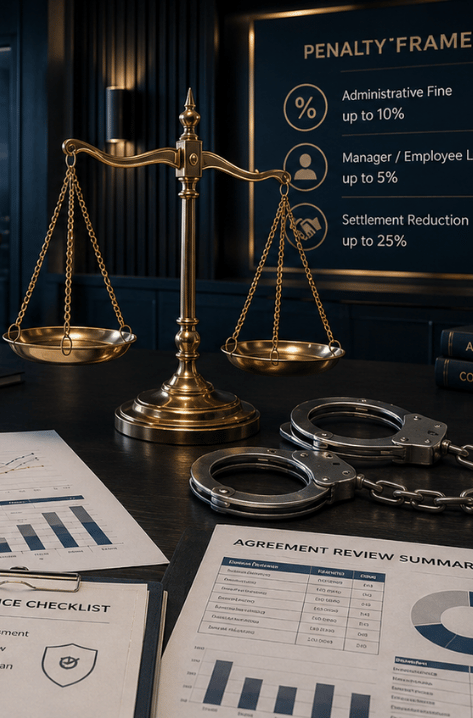
Beyond Administrative Fines: Criminal Exposure in Turkish Competition Enforcement
Turkish competition enforcement is entering a new phase, where antitrust violations may trigger not only administrative fines but also criminal investigations, executive detention risks, and court-appointed supervisory oversight. Foreign investors and multinational companies operating in Türkiye should reassess pricing, competitor communications, leniency strategies, data governance, and internal investigation protocols to manage both corporate liability and personal exposure for leadership effectively.
Read more > -
 Article 17.06.2026
AYM'den KVKK'ya Sınır: Rehber Değil, Kanun Esas
Anayasa Mahkemesi, bir sigorta şirketine Kişisel Verileri Koruma Kurulu tarafından uygulanan idari para cezasında kanunilik ilkesinin ihlal edildiğine karar vererek, Kurul’un “alenileştirme amacı” yorumunu kanuni dayanak olmaksızın yaptırım gerekçesi yapamayacağını ortaya koymuştur. Karar, kamuya açık kaynaklardan veri işleyen şirketler için süreçlerin, envanterlerin ve devam eden inceleme dosyalarının Kişisel Verilerin Korunması Kanunu madde 5 kapsamında yeniden değerlendirilmesi gerektiğini göstermektedir.
Read more > -
 Article 15.06.2026
AB’den Şirketlere Yolsuzlukla Mücadelede Yeni Dönem: Ciro Bazlı Cezalar ve Uyum Baskısı Artıyor
AB’nin 2026/1021 sayılı Yolsuzlukla Mücadele Direktifi, üye devletlerde ceza hukuku standartlarını güçlendirerek rüşvet, zimmet, nüfuz ticareti ve yolsuzluk kaynaklı zenginleşmeye daha ağır yaptırımlar getirmektedir. Şirketler için dünya çapındaki ciroya dayalı yüksek para cezaları, tüzel kişi sorumluluğu ve uyum programlarının önemi artmaktadır. AB bağlantılı Türkiye şirketlerinin politikalarını, üçüncü taraf denetimlerini ve ihbar mekanizmalarını gözden geçirmesi gerekmektedir.
Read more > -
 Article 08.06.2026
Sağlık Hizmetlerinde Mevzuata Uyum: Yönetmelik ve Tebliğ Kapsamında Öne Çıkanlar
Ayakta teşhis ve tedavi kuruluşları ile yataklı sağlık tesislerindeki yoğun bakım hizmetleri farklı mevzuat hükümlerine tabidir. Ayakta Teşhis ve Tedavi Yapılan Özel Sağlık Kuruluşları Hakkında Yönetmelik; tıp merkezleri, bağımsız poliklinikler, müesseseler ve muayenehaneler için ruhsat, personel, mesul müdürlük, hizmet alımı ve denetim esaslarını düzenler. Yataklı Sağlık Tesislerinde Yoğun Bakım Hizmetlerinin Uygulama Usul ve Esasları Hakkında Tebliğ ise yoğun bakım servislerinin fiziki, teknik, personel, tescil, seviyelendirme ve denetim standartlarını belirler. Özellikle mevcut yoğun bakım servisleri için 30/06/2026 tarihine kadar öngörülen uyum süreci, sağlık tesisleri açısından dikkatle takip edilmesi gereken önemli bir başlıktır.
Read more > -
 Article 05.06.2026
ACFE 2026 Raporu Ne Söylüyor? Suistimalle Mücadelede Bildirim Mekanizmalarının Önemi
ACFE Mesleki Suistimal 2026: Küresel Rapor’u (Occupational Fraud 2026: A Report to the Nations) şirket içi suistimalin her ölçekte şirket için ciddi ve ölçülebilir bir risk olduğunu vurgulamaktadır. Raporda incelenen vakalarda ihbarlar en etkili tespit yöntemi olarak öne çıkmaktadır. Bu nedenle şirketlerin erişilebilir, güvenilir, gizliliği koruyan ve misillemeye karşı güvence sağlayan etik bildirim mekanizmaları kurması gerekmektedir. Türk şirketleri ve Türkiye’de faaliyet gösteren şirketler için uyum programlarının düzenli test edilmesi, çok kanallı bildirim sistemleri ve güçlü kurum kültürü kritik önem taşımaktadır.
Read more > -
 Article 01.06.2026
How to Buy and Sell Art in Türkiye: Practical Insights
Buying and selling art in Türkiye requires more than agreeing on price and delivery. Parties should verify ownership, copyright status, provenance, authenticity, potential theft claims, cultural asset risks and third-party rights. Art market actors may also be subject to MASAK anti-money laundering obligations, while secondary market transactions may trigger the author’s resale right.
Read more > -
 Article 15.05.2026
Takviye Edici Gıda Sektörü: Satıcı, Yetkili Temsilci, İktisadi İşletmeci ve İthalatçıların Sorumlulukları
7223 sayılı Ürün Güvenliği ve Teknik Düzenlemeler Kanunu ve ilgili ikincil mevzuat, takviye edici gıda sektöründeki ithalatçı, dağıtıcı ve yetkili temsilciler gibi tüm iktisadi işletmecilere piyasaya arzdan nihai tüketiciye kadar kesintisiz bir sorumluluk yüklemektedir. Bu çerçevede; ürünlerin kayıt altına alınmasından uygunluk belgelerinin teyidine, nakliye koşullarından ürün geri çağırma süreçlerine kadar uzanan yükümlülükler, hem tüketici sağlığının korunması hem de hukuki güvenliğin sağlanması adına kritik bir önem taşır. Güncel düzenlemeler, tedarik zincirindeki aktörler için proaktif denetim mekanizmalarını ve kurumsallaşmış uyum politikalarını sürdürülebilir ticaretin vazgeçilmez bir unsuru haline getirmektedir
Read more > -
 Article 06.05.2026
Takviye Edici Gıda Sektörü: İmalatçı Sorumlulukları
7223 sayılı Ürün Güvenliği ve Teknik Düzenlemeler Kanunu ile ikincil mevzuat çerçevesinde şekillenen takviye edici gıdalara ilişkin hukuki rejim, kamu sağlığının korunması amacıyla imalatçılara ciddi uyum yükümlülükleri yüklemektedir. Bu kapsamda imalatçının sorumluluğu; piyasaya arz öncesi teknik dosya tanzimi ve uygunluk beyanından başlayarak, ürünün piyasadaki izlenebilirliği ve düzeltici önlemlerin alınmasına kadar uzanan geniş bir yelpazeyi kapsar. Güncel düzenlemeler, proaktif denetim mekanizmalarının ve sistematik uyum politikalarının işletilmesini günümüz gıda sektöründe sürdürülebilir ticaretin zorunlu bir parçası kılmaktadır.
Read more > -
 Article 30.04.2026
Evaluation of the Draft Law on the Protection of Trade Secrets
The Draft Law on the Protection of Trade Secrets, opened for public consultation by the Ministry of Trade of the Republic of Türkiye, provides comprehensive regulations regarding the definition, protection, unlawful acquisition, use, and disclosure of trade secrets. Aiming to align with European Union standards, the Draft sets out a clear and holistic framework on exceptions, interim injunctions, confidentiality during judicial proceedings, sanctions, jurisdiction and venue, and limitation periods. Opinions and recommendations regarding the Draft must be submitted to the Ministry by 15 May 2026.
Read more > -
 Article 29.04.2026
Ticari Sırların Korunması Hakkında Kanun Taslağı’nın Değerlendirilmesi
Türkiye Cumhuriyeti Ticaret Bakanlığı tarafından görüşe açılan Ticari Sırların Korunması Hakkında Kanun Taslağı, ticari sırların tanımı, korunması, hukuka aykırı elde edilmesi, kullanılması ve ifşasına ilişkin kapsamlı düzenlemeler öngörmektedir. Avrupa Birliği standartlarıyla uyum hedefleyen Taslak; istisnalar, ihtiyati tedbirler, yargılama sürecinde gizlilik, yaptırımlar, görev-yetki ve zamanaşımı konularında açık ve bütüncül bir çerçeve sunmaktadır. Taslak hakkındaki görüş ve önerilerin 15 Mayıs 2026’ya kadar Bakanlığa iletilmesi gerekmektedir.
Read more > -
 Article 21.04.2026
On-Call Work Under Turkish Labour Law: Compliance for Employers
On-call work under Turkish Labour Law is a form of part-time employment where employees work only when needed. Contracts must be in writing, calls should be made in advance, and minimum working-hour rules apply. On-call employees are entitled to annual leave, holiday pay, proportional benefits, and severance pay. However, legal gaps and practical uncertainties may expose employers to disputes and reclassification risks.
Read more > -
 Article 13.04.2026
Takviye Edici Gıda Reklamlarında Sağlık Beyanı Kullanımı
Gıda ve takviye edici gıdalarda sağlık beyanı kullanımı, tüketiciyi yanıltmayı engellemek ve halk sağlığını korumak amacıyla sıkı bir denetimle düzenlenmiştir. 2023'te yayımlanan yeni yönetmelik, sağlık beyanlarının belirli standartlara uyması gerektiğini ve yanlış ya da yanıltıcı beyanların yasaklandığını vurgulamaktadır. Gıda işletmecileri, ürünlerin etiketlerinde doğru bilgi vererek ve belirli kurallara uyarak sağlık beyanlarını kullanabilirler. Takviye edici gıdaların reklamlarında hastalık tedavisi ve benzeri yanıltıcı iddiaların kullanımı yasaktır. Düzenlemelere uymayanlar, ciddi yaptırımlarla karşılaşabilir.
Read more > -
 Article 09.04.2026
How to Safeguard Your Business Interests When a Business Partner is Placed Under Trusteeship in Türkiye
Strategic compliance steps to be taken by foreign investors in the event of a trustee appointment to their business partners or shareholders in Türkiye lie at the heart of legal risk management. This process, which encompasses various measures ranging from the legal framework of commercial relationships established through contracts with Savings Deposit Insurance Fund (“SDIF”,”TMSF”) -managed companies to risk-mitigation instruments such as the 'Letter of Comfort,' highlights the importance of maintaining operational continuity during times of crisis.
Read more > -
 Article 26.03.2026
Mutual Rescission Agreement: Reasonable and Additional Benefits in Turkish Case Law
Although not explicitly regulated by Labor Law No. 4857, the mutual rescission agreement has been shaped by judicial precedents and is based on the termination of the employment relationship through the mutual will of the parties. When drafting this agreement, a delicate balance must be maintained between the principle of "freedom of contract" and the fundamental labor law principle of "interpretation in favor of the employee." In line with Court of Cassation practices; the party initiating the offer, the "reasonable benefit" provided to the employee, and the benefits offered in addition to statutory severance are essential factors for the legal validity of the agreement. Current judicial rulings make the existence of these additional benefits mandatory for the protection of the contract, especially in cases where the offer originates from the employer.
Read more > -
 Article 24.03.2026
QR Kodlara Dikkat! Görünmeyen Tehlike: Quishing Saldırıları ve Korunma Yöntemleri
Kişisel Verileri Koruma Kurumunun yayımladığı “QR Kodlarla Gelen Risk: Quishing” başlıklı farkındalık dokümanı, QR kodların yaygınlaşmasıyla ortaya çıkan quishing saldırılarına dikkat çekmektedir. Bu saldırılar, sahte veya değiştirilmiş QR kodlar aracılığıyla kullanıcıları zararlı sitelere yönlendirerek kişisel ve finansal bilgilerin ele geçirilmesine yol açar. Fiziksel ve dijital ortamlarda gerçekleştirilebilen bu saldırılar, tespiti zor riskler barındırır.
Read more >